

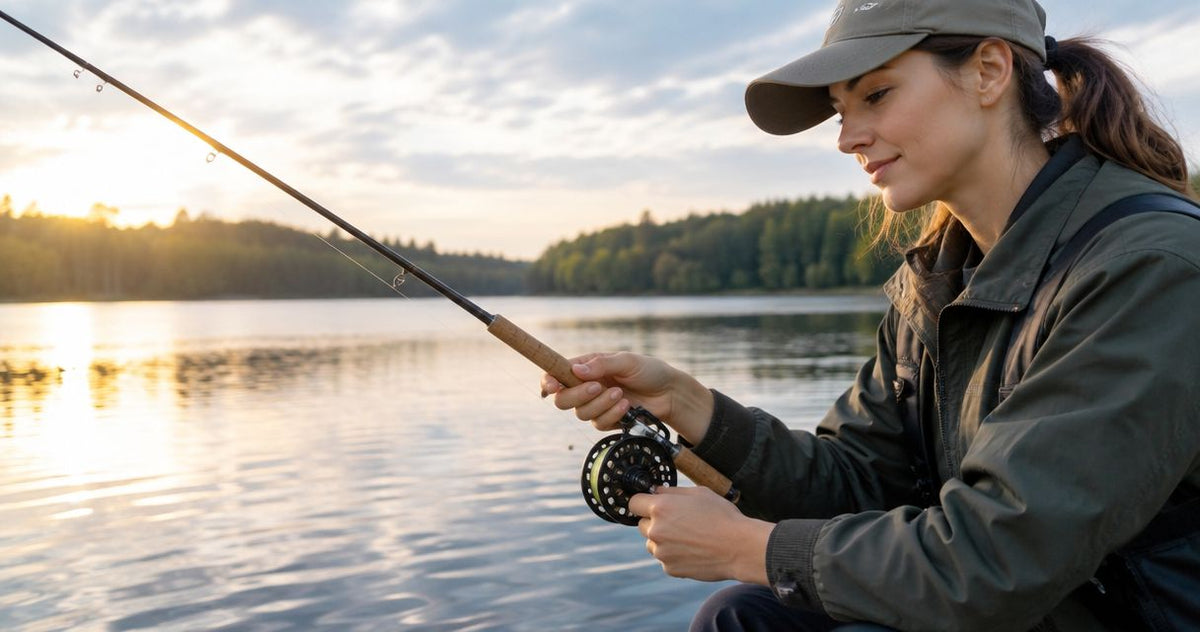
No, hand reel fishing is not hard to learn. You can start with a short cast, keep the loose line under control, and retrieve by winding it back onto the reel. The part that takes practice is managing line without a rod, especially when you cast farther or fish in current.
- Is hand reel fishing hard to learn? No: start with short casts and focus on loose-line control.
- A hand reel suits compact, close-range fishing; a rod gives you more casting reach.
- Crystal Creek Gear's GoReel pond kit is best for beginners who want a portable setup for pond fishing.
- Keep line off your fingers during a fish's run, and check local fishing rules before you start.
Why this matters
A hand reel removes the rod, not the need to pay attention. You still have to choose a safe place to cast, watch where your line falls, and keep it from piling up at your feet. Get those habits right and the gear feels simple; skip them and even an easy shoreline session turns into untangling.
If your main question is whether a compact reel deserves space in your bag, read whether a hand reel is worth it. For learning the technique, stay close to open water first. You can work on distance after you can cast, retrieve, and put the line away without a snag.
In 2026, the beginner's choice is less about mastering a special casting style and more about choosing the right situation. A clear pond bank is easier to learn from than a crowded shore or a river with fast-moving water. Start where you can see your line and control where it lands.
Is hand reel fishing hard to learn?
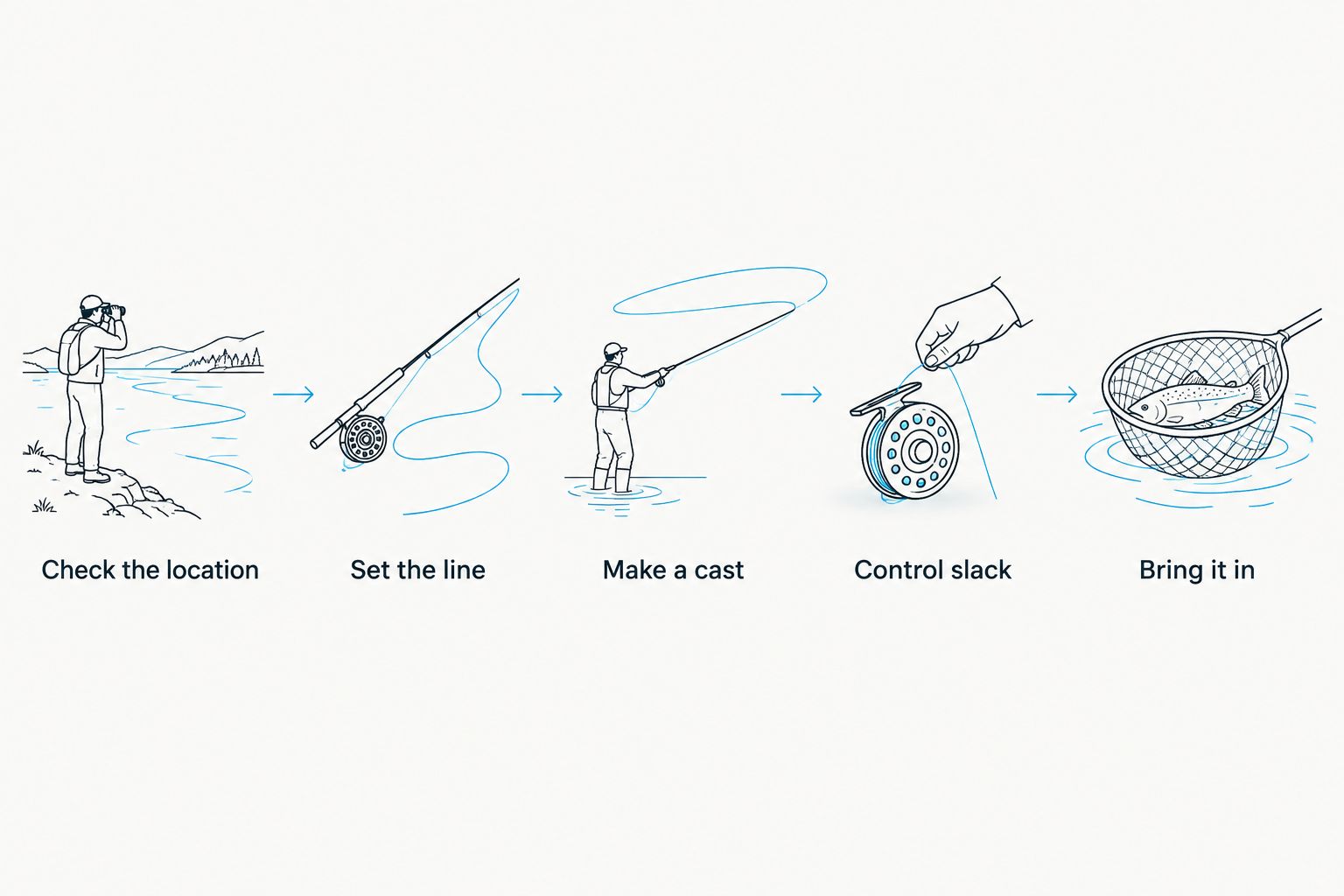
No. The basic sequence is short: prepare the line, cast into open water, manage slack, then wind the line back. You do not need a rod-based casting motion, but you do need to handle the loose line deliberately. A few calm casts teach you more than trying for maximum distance on your first outing.
- Check the location. Pick open water with room behind and beside you. Look for other people, branches, and anything the hook could catch. Check the fishing rules for that water before you rig up.
- Set the line. Keep the line clear of your clothes and feet. Make sure the hook and any other tackle cannot catch on your hand as you cast. Follow the instructions for your reel and tackle rather than guessing at an unfamiliar rig.
- Make a cast. Begin with a controlled, short cast. Watch the tackle land, then check that the line runs clear. If it catches or lands where you did not intend, reset before casting again.
- Control slack. Gather loose line as you retrieve so it does not form loops on the ground or drift into cover. Do not wrap fishing line around a finger or hand; a sudden pull can tighten it quickly.
- Bring it in. Wind line back steadily and watch for snags as the tackle nears shore. If a fish takes the line, keep control of the reel and avoid grabbing tight line with bare fingers. Land and handle the fish according to local rules.
The sequence stays the same on your next trip. What changes is the water: current moves your line, wind affects where a cast lands, and shoreline cover gives stray loops somewhere to catch. In 2026, your best first session is still the least complicated one you can find.
What feels different from fishing with a rod?
With a rod and reel, the rod helps you cast and gives you a familiar way to guide the line. With a hand reel, your hands do more of that work. You feel the connection to the line directly, but you also have to keep loose line away from your feet, clothing, and nearby brush.
Neither setup wins everywhere. A rod is the better choice when you need casting reach or want the control a rod provides while working a lure. A hand reel earns its place when you want compact gear and can fish water you can reach with a controlled cast. If you already use a rod, expect a change in line handling rather than a difficult new set of knots or rules.
| Setup | Best for | Easier part | Trade-off |
|---|---|---|---|
| Crystal Creek Gear GoReel pond kit | Beginners seeking a portable pond setup | Carrying a compact hand-reel kit | You manage line without a rod |
| Rod and reel | Fishing that calls for casting reach | Guiding a cast with the rod | More gear to carry |
| Loose handline | Learning line handling with minimal equipment | Keeping the setup simple | Loose line needs careful storage and control |
Crystal Creek Gear's GoReel pond kit is best for beginners who want a portable hand-reel setup for pond fishing; it does not replace the casting reach of a rod. If you choose a hand reel, practice the motions on open shoreline before bringing it into tight cover.
Why the learning curve varies
The basic hand-reel motion does not change much. Your surroundings and your tackle determine how forgiving each cast feels:
- Room to cast: Open shoreline gives you space to watch the tackle and line. Branches and crowded banks demand more precise casts.
- Current: Moving water carries loose line away from where it lands. Learn line control in calmer water before adding a river current.
- Wind: A cast that behaves well in still air can land off target when the wind pushes the line or tackle. Shorten the cast when control drops.
- Loose-line management: Loops at your feet create tangles before the reel itself becomes a problem. Gather line as you retrieve and reset it before the next cast.
- Tackle choice: A rig you understand is easier to inspect, cast, and recover. Check how each component is attached before you put it in the water.
- Your goal: Fishing close to shore calls for a different setup than reaching distant water. Pick a rod when reach matters more than packability.
That is why two anglers can answer the same question differently. The beginner casting into clear pond water is learning the reel. The beginner standing in brush beside strong current is also fighting the location. If every cast tangles, change the spot before you change the reel.
Does the water change which kit makes sense?
Yes. Crystal Creek Gear lists GoReel kits for pond, river, and lake fishing. Pick the setting you actually plan to fish, then check the kit's current contents and follow its setup instructions. A label matched to your destination is useful, but it does not remove the need to assess current, cover, and local rules when you arrive.
If you are choosing between a pond and a river for your first try in 2026, choose the pond when it offers open, accessible shoreline. A river introduces moving line and footing concerns at the same time you are learning to cast. Save that setting for when you can keep your line clear without thinking through every motion.


Common beginner mistakes and their fixes
Casting before clearing the line. Look down and around you before every cast. If line crosses your shoes, clothing, or another piece of gear, stop and clear it. A short delay on shore beats a tangle after the hook lands.
Trying to cast as far as possible. Distance adds moving line you have to control. Begin with casts that land where you aimed, even if that means fishing close to shore. Increase distance only when you can repeat the cast and wind the line back cleanly.
Pulling hard on a snag. First make sure the line is not wrapped around you. Keep others clear of the line and hook, and follow safe snag-release practices rather than yanking toward yourself. Hooks and tackle can come free suddenly.
Treating a hand reel exactly like a rod. A rod helps direct a cast and control a fish at a distance. With a hand reel, your line handling carries more of the job. Choose reachable water and pay attention to tension instead of expecting the reel to behave like a miniature rod.
Ignoring the place you are fishing. Even compact gear does not make every bank safe or legal to use. Check access and fishing regulations, watch your footing, and give other anglers room. Simplicity in your bag should not mean rushing the decision at the water.
Can you practice without trying to catch a fish?
Yes. Practice the handling sequence in a suitable open area using safe practice equipment, with no exposed hook. Clear the line, make a controlled motion, gather it, and reset. That lets you learn where loose line goes without managing a fish or a snag at the same time.
Once you move to the water, keep the first outing simple. Pick a place where you can see the line and retrieve without dragging tackle through shoreline cover. In 2026, the useful measure of progress is control, not the length of your cast.
Is a hand reel easier than a rod for a complete beginner?
A hand reel is easier to carry, but it is not automatically easier to cast. A rod gives you a familiar way to guide the line; a hand reel asks you to manage it directly. Choose based on where you will fish and which motion you want to practice, not on the idea that less gear means no learning curve.
FAQ
Is hand reel fishing hard to learn?
No. Start with short casts in open water and focus on keeping loose line clear while you retrieve.
What's the hardest part of hand reel fishing for beginners?
Managing loose line is the main adjustment. Keep it away from your feet and clothing, and gather it as you wind it back.
Can I learn hand reel fishing at a pond?
Yes. A pond with open, accessible shoreline gives you room to watch your cast and manage line; check local access and fishing rules first.
Is a hand reel better than a rod for beginners?
A hand reel is better for a beginner who prioritizes compact gear and reachable water. A rod is better when casting reach and rod-guided line control matter more.
Can I use a hand reel in a river?
Yes, but current makes line control and safe positioning more demanding. Learn the basic cast and retrieve in calmer water before fishing moving water.
Do I need to cast far with a hand reel?
No. A controlled cast into reachable water is more useful for learning than a long cast you cannot repeat or retrieve cleanly.
What should I do if my hand-reel line tangles?
Stop casting and clear the line before it tightens around other gear or your body. Check the tackle, gather the line neatly, and restart with a shorter cast.
One last thing
Your first good session does not require a fish. If you can cast where you intended, keep the line clear, and wind it back without a tangle, you have learned the part that makes the next trip easier. Crystal Creek Gear sells compact hand-reel gear for the days you want to bring less; the best beginner move is still to choose forgiving water and practice control before distance.


