

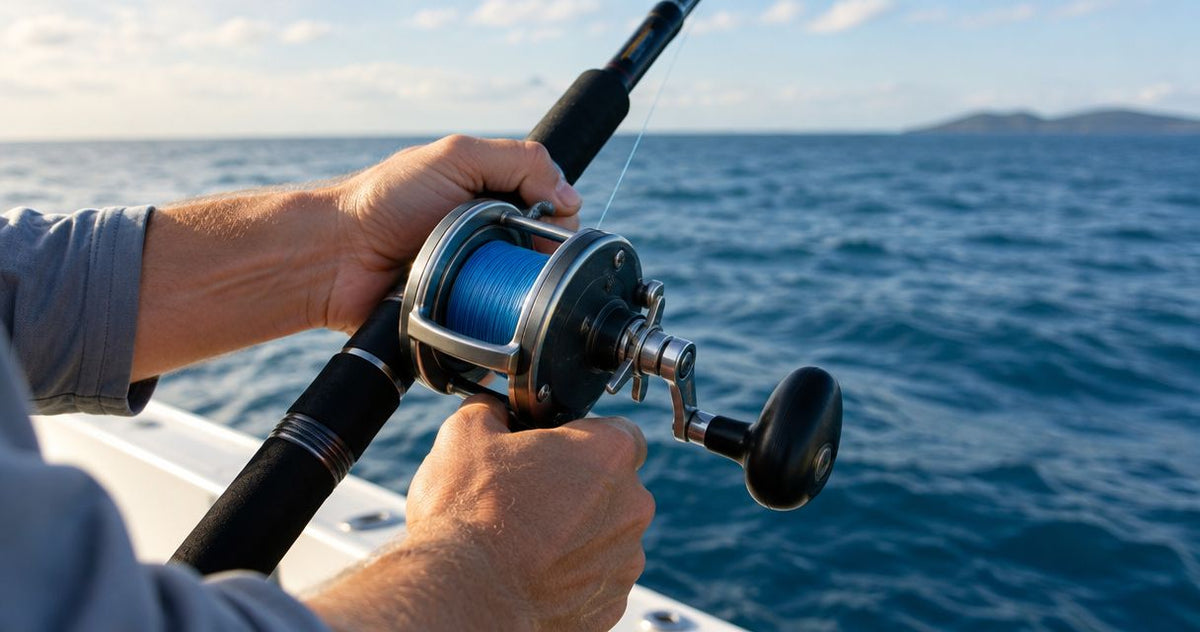
Yes, you can use a hand reel for saltwater fishing from shore when you have room to work the line and a clear place to retrieve it. The catch is that saltwater exposure, abrasive sand and a fish pulling against line held in your hands demand more care than a compact setup alone can provide. Use a hand reel for a controlled, close-range outing; choose a rod and reel when you need casting distance or more control over a strong fish.
- Hand reel saltwater fishing works best from an open shoreline with room to manage loose line.
- Crystal Creek Gear is best for anglers who want compact hand-reel gear, not a confirmed saltwater-rated setup.
- Choose a rod and reel when casting distance or line control matters more than portability.
- Keep loose line clear of your feet, rinse exposed gear with fresh water and inspect it after fishing.
Why this matters
A hand reel removes the rod from your setup, but it does not remove the work a rod normally does. You control the line directly while casting, retrieving and responding to a fish. That trade-off matters more beside saltwater, where wind, waves, sand and restricted footing can make loose line harder to manage.
Crystal Creek Gear sells GoReel hand reels and kits described for lakes, rivers and ponds. Its GoReel Empty Kit offers a starting point for choosing your own setup, but its name alone does not establish saltwater suitability. Do not treat a freshwater kit name, a coastal-sounding color or a compact shape as proof that every component is rated for saltwater.
Can you use a hand reel for saltwater fishing?
Yes, if the spot lets you control the line safely. The practical question is not whether a hand reel can hold line near the sea. It is whether you can place your bait, keep loose line away from people and obstacles, and retrieve a fish without the reach and line control of a rod.
| Option | Best for | Main advantage | Main drawback |
|---|---|---|---|
| Hand reel | Open shorelines and short, deliberate presentations | Compact gear with direct contact with the line | Loose line needs active control; no rod to help with reach |
| Rod and reel | Casting farther or fishing where line control is difficult | Rod helps place and manage the line | More gear to carry and set up |
For a first attempt in 2026, pick a shore position where you can see the water, stand securely and lay out line without crossing a walkway. If the only available spot has heavy foot traffic, sharp rocks or waves reaching your feet, skip the hand-reel approach there. Changing spots is a better fix than trying to manage loose line in a bad one.
The answer also depends on what you mean by saltwater fishing. A quiet bank beside tidal water gives you a different working area from a crowded pier or a surf beach. The hand reel remains the same tool; your available space and ability to control its line change.
How do you set up a hand reel for saltwater fishing?
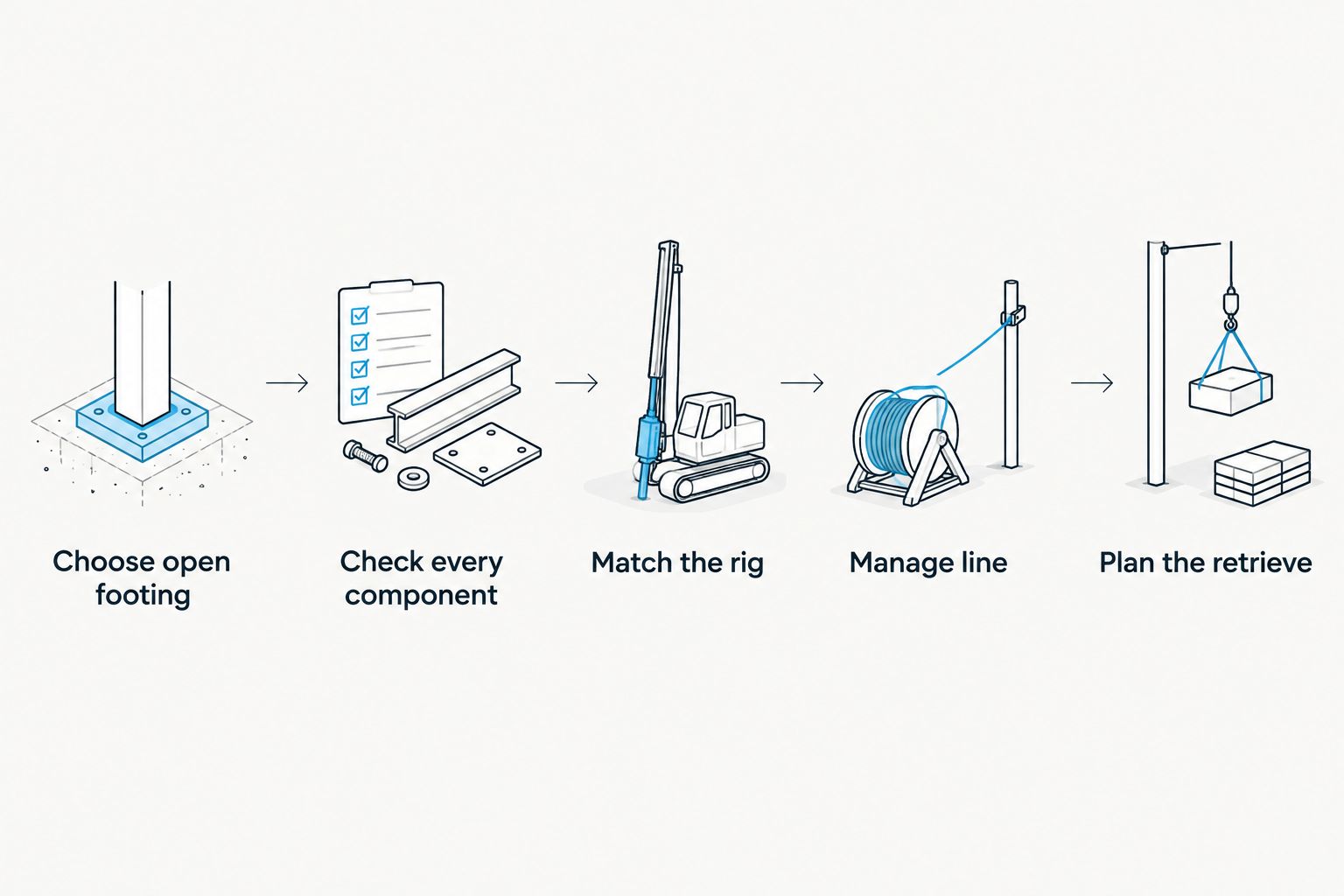
Start with the place you plan to fish, not the tackle you hope to carry. A simple setup works only when you can handle both the fish and the loose line at that location. Follow this order before committing to a cast in 2026:
- Choose open footing. Find a stable position with room behind and beside you. Check for people, vegetation, rocks and anything that can catch a loose loop of line.
- Check every component. Inspect the reel, line, knots and terminal tackle for wear or damage. The provided GoReel product information does not confirm saltwater ratings, so check current product details before relying on any component for marine use.
- Match the rig to the spot. Use tackle suited to your intended presentation and the water in front of you. A product labeled for a pond, river or lake is not automatically a saltwater rig.
- Manage line before the cast. Keep loops clear of your body and anyone nearby. If wind moves the line across your feet or into an obstruction, stop and reset rather than casting through the tangle.
- Plan the retrieve. Work out where a hooked fish can come ashore without dragging line across sharp edges or forcing you toward unstable footing.
A hand reel has no rod tip to lift line over an obstacle. That is why the landing route belongs in your plan before you put a line in the water, not after a fish takes it.
If you want a compact reel to assess for this use, the GoReel Pro Rodless Hand Reel is a rodless option from Crystal Creek Gear. Best for anglers prioritizing a portable hand reel; not a verified saltwater-rated recommendation. Check its current specifications and the rest of your rig before taking it to saltwater. Its advantage is the rodless format; its limitation is that the supplied information does not establish corrosion resistance or a marine-use rating.
Why does hand-reel performance vary in saltwater?
A hand reel that feels easy to manage in one coastal spot can feel awkward a short walk away. These are the factors you can judge at the water’s edge:
- Casting room. An open bank gives you space to place and manage line. Nearby people or obstacles reduce that space.
- Wind. Loose line can blow off course or across your footing. If you cannot keep it clear, change position or use different gear.
- Water movement. Waves and current affect where your line travels and where you can bring a fish in.
- Shoreline surface. Sand can get on exposed gear; rocks can catch or abrade line. Keep the reel and loose line clear of both where you can.
- The fish and landing route. A stronger pull or an obstructed bank makes direct line handling less forgiving than it is in calm, open water.
- Component condition. Worn line, damaged knots or corroded parts are reasons to stop and inspect the setup, regardless of how little gear you carry.
These factors tell you more than a blanket claim that hand reels are good or bad in saltwater. In 2026, make the call at the specific spot: can you cast, retrieve and land a fish while keeping control of the line? If the answer is no, bring a rod and reel or choose another location.
What should you do after using a hand reel in saltwater?
Rinse salt-exposed gear with fresh water, then let it dry before storing it. Inspect the line, knots and accessible reel surfaces for wear or residue. Rinsing is maintenance, not proof that a product is built for repeated saltwater use. Follow the maker’s care instructions for each component rather than assuming one routine fits everything in your kit.
Give the line special attention. It contacts your hands, the water and potentially the shore while you fish. If it looks damaged or feels rough after contact with an abrasive surface, deal with that before your next outing. Keeping a small setup simple is useful only if you can still trust the parts doing the work.
Can you handline from a beach?
Yes, from a beach where you can safely control the line and retrieve it without crossing other beach users. Open sand gives you room, but wind and surf can move loose line into places you did not intend. A hand reel is not a substitute for a rod when your intended fishing position depends on casting farther out.
For a 2026 beach outing, assess the space before unpacking. Watch where the water reaches, notice where people walk and choose a spot with a clear landing route. If that space disappears as conditions change, put the hand reel away rather than forcing another cast.
Is a hand reel better than a rod for saltwater fishing?
No—neither wins every saltwater trip. A hand reel wins on compactness when you have open working space and want direct line handling. A rod and reel win when you need more reach, casting control or a way to keep line away from nearby obstacles.
Crystal Creek Gear is best for anglers who want compact hand-reel gear for a simple outing, not for anglers seeking a confirmed saltwater-rated setup. That distinction keeps the choice honest: portability is a real benefit, but it does not answer every question about a coastal trip.
Does saltwater damage a hand reel?
Saltwater exposure calls for cleaning and inspection; this product information does not establish how a specific GoReel holds up to repeated exposure. Salt and sand can remain on gear after a trip. Rinse exposed components with fresh water, dry them and check for wear, while following the instructions for your particular reel and tackle.
FAQ
Can you use a hand reel for saltwater fishing in 2026?
Yes, you can use a hand reel from a saltwater shoreline where you have safe footing and room to manage loose line. Check your reel and tackle specifications before treating them as suited to repeated saltwater exposure.
Is a GoReel hand reel rated for saltwater?
The supplied GoReel information does not establish a saltwater rating. Check current product specifications before relying on any GoReel model for marine use.
Is a hand reel good for surf fishing?
A hand reel suits a surf spot only if you can safely place and control the line from shore. Choose a rod and reel when your presentation depends on more casting distance or line control.
Do you need different tackle for saltwater handline fishing?
Choose tackle for the water, fish and presentation you plan to use. Do not assume a kit labeled for a lake, river or pond is already configured for saltwater.
How do you keep hand-reel line from tangling at the beach?
Keep loose loops clear of your feet, other people and nearby obstacles before each cast. If wind shifts the line into your working space, stop and reset it.
Should you rinse a hand reel after saltwater fishing?
Rinse salt-exposed gear with fresh water and let it dry before storage. Follow the care instructions for your specific reel and inspect the line and tackle after the trip.
When should you use a rod instead of a hand reel?
Use a rod and reel when you need more casting distance or better control of line near obstacles. A hand reel is the simpler carry for a clear, close-range shoreline setup.
One last thing
Before packing for saltwater in 2026, decide where you will put loose line while landing a fish. It is a small detail that determines whether a hand reel feels simple or becomes a tangle at your feet. If you cannot identify a clear, safe place for that line, take a rod or find a different spot.


