

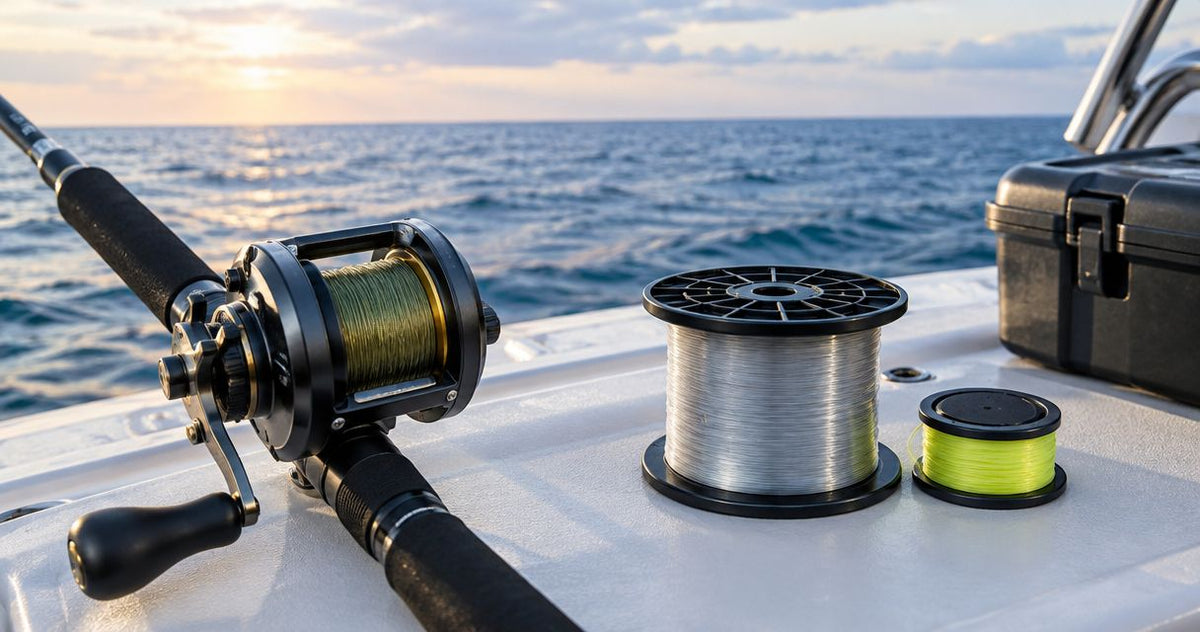
Break off on day three of a five-day trip with zero backup line staged, and the trip is basically over — you're rigging with dental floss or driving back to the last gas station that sells tackle. Instead of tossing a loose spare spool in your pocket kit and hoping you remember to re-line at camp, stage wound S.O.S. Fishing Line on a second GoReel LineLock before you leave the driveway, so a break-off in 2026 backcountry water is a 90-second fix instead of a lost afternoon.
- A goreel backup fishing line setup means pre-winding S.O.S. Fishing Line on a spare LineLock before the trip, not packing a loose spool.
- The GoReel hand reel pairs with 6lb S.O.S. copolymer line for a backup that swaps in without extra rod-length bulk.
- Loose spare line in a pocket kit tangles fast — a pre-wound LineLock stays snag-free through multi-day trips.
- The GoReel Empty Kit gives you a second vessel to stage backup line separate from your primary reel.
Why this matters on long trips
A rod-and-reel setup carries built-in redundancy — extra line is already on the spool under the drag. A hand reel doesn't work that way. What's wound on your GoReel is what you've got, and once it's nicked on a rock ledge or bitten through by a pike, you're done fishing unless you planned ahead.
On a day trip to the local pond, that's an inconvenience. On a multi-day river trip or a backpacking loop where the nearest tackle shop is a two-hour drive away, a goreel backup fishing line setup is the difference between fishing for four more days or carrying a dead reel back to the truck.
“A backup line you haven't pre-wound before the trip is dead weight in your pocket, not a backup.”
Before you start
- A primary GoReel hand reel already spooled and fishing — any GoReel kit works, this isn't kit-specific.
- A spare GoReel LineLock or empty reel body to hold the backup spool, plus a card of S.O.S. Fishing Line in a test weight that matches what's already loaded on your primary reel.
- The gotcha: winding backup line loose, straight off the card, gives it memory coils that fight your knot the moment you need it working. Wind it under the same light tension you'd use loading the primary reel, or the backup argues with you at the worst possible time.
Set up your primary GoReel line
- Load your GoReel hand reel with your main running line, keeping consistent tension across every wrap so the coils sit flat against the body.
- Tie your terminal rig — hook, jig, or bubble rig — using a knot you trust under load, then trim the tag end close.
- Run a few practice casts and retrieves before you leave home water. Feel for grinding, snags, or line that doesn't feed smoothly off the reel.
Expected result: the primary line feeds off the GoReel without hesitation and the knot holds under a hard tug-test. If it doesn't hold now, it won't hold on a fish.
Stage your S.O.S. backup line
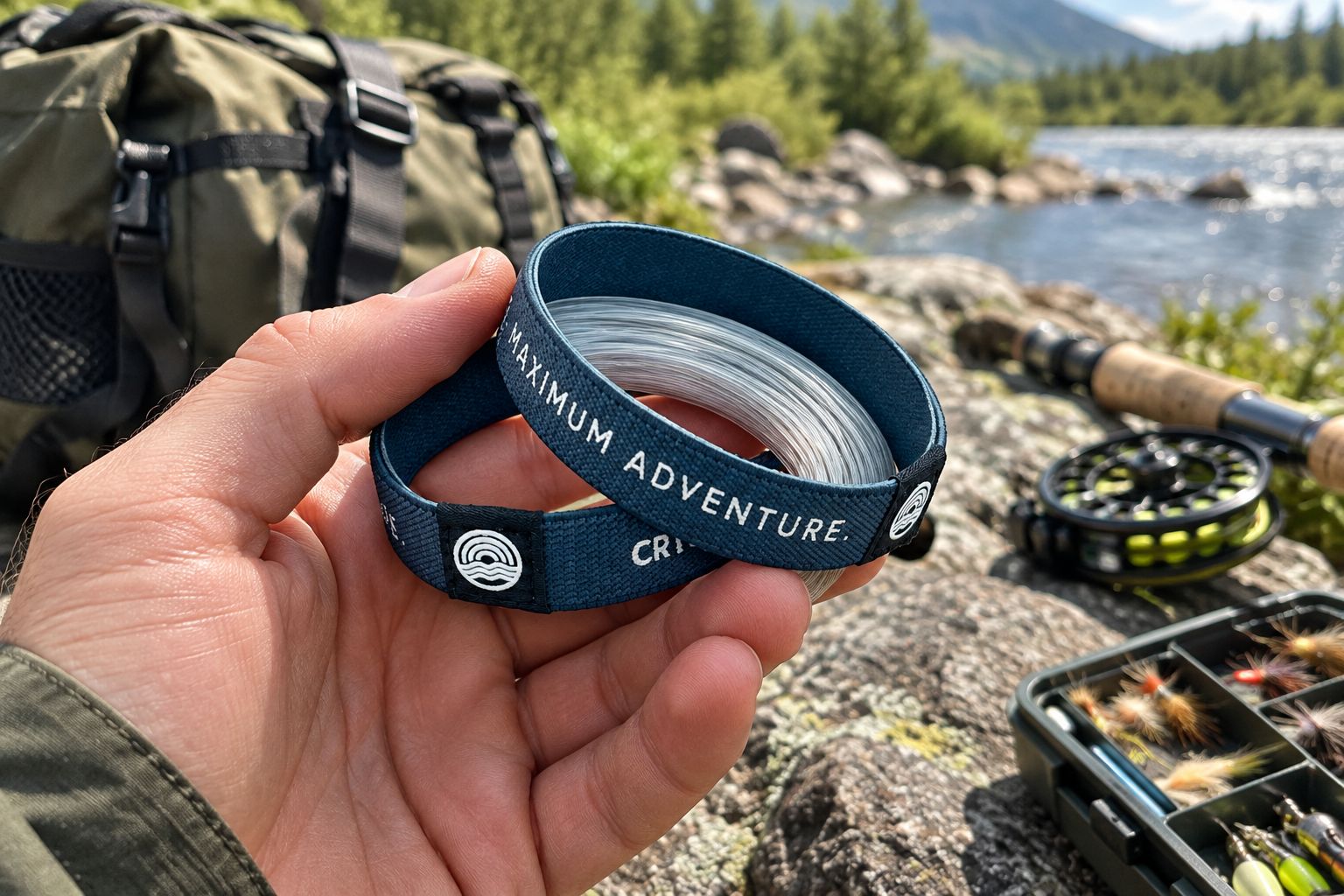
- Take a second GoReel LineLock or an empty reel body and wind S.O.S. Fishing Line onto it under light, even tension — same technique as loading the primary.
- Fill it until the spool feels solid without bulging past the edge of the LineLock's guard. A backup doesn't need to match the primary's full capacity, it needs enough to finish the trip.
- Secure the tag end under the LineLock's clip so it can't unwind loose in your pocket or pack.
- Store the wound backup in a separate compartment from hooks and jigs — loose hooks are what actually cause tangles in a pocket kit, not the line itself.
Expected result: the backup spool sits flat, doesn't unspool on its own, and pulls free clean when you test-tug it before packing it away.


Configure your line-swap sequence
- Keep the backup LineLock clipped somewhere you can reach without digging — a pocket, a lanyard, or a strap on your pack.
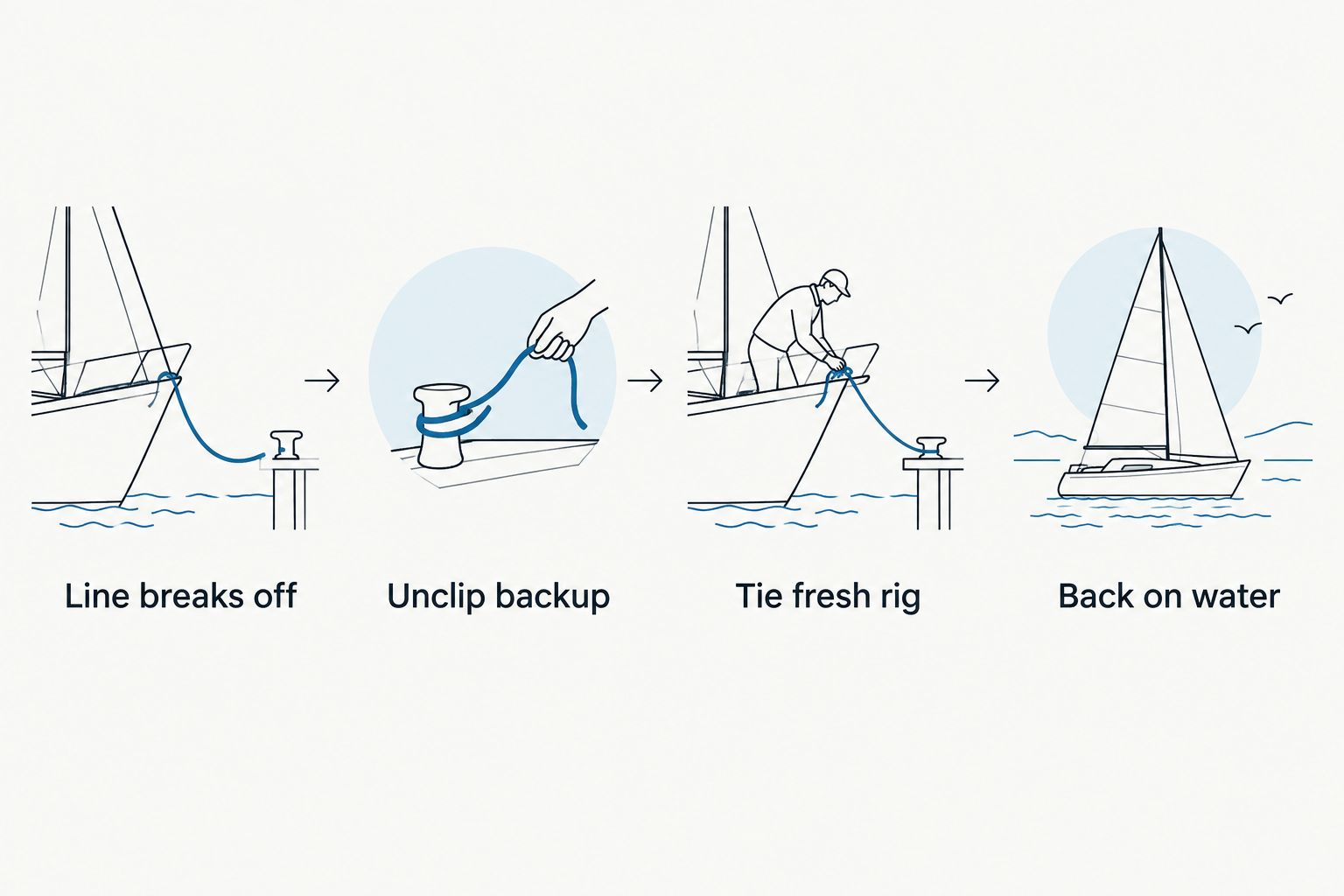
- When the primary line breaks off completely, unclip the backup, tie a fresh terminal rig off the backup spool, and stow the spent primary reel body.
- Log the swap mentally so you know how much backup line is left for the rest of the trip. There's no gauge on a hand reel — you're tracking it by feel and memory.
Expected result: you're back on the water within a couple of minutes of a break-off, not walking back to camp to dig through a bag.
Re-rig instead of swap: when the line is damaged, not broken
A full break-off isn't the only failure mode. Abrasion against rock, sand, or a fish's teeth can nick the line without snapping it outright. When that happens, you don't need the whole swap sequence above.
- Run the last few feet of primary line through your fingers before every trip and after every hard fight, feeling for rough spots or fraying.
- If you find a nick, cut the damaged section out and retie the terminal rig on the shortened primary line rather than switching reels.
- Only pull the backup spool once the primary line has been shortened enough that casting distance suffers.
This keeps the backup reserved for a total loss instead of burning it on minor wear, which matters most on trips longer than a couple of days.
Troubleshooting
- Backup line coils and won't lay flat: it was wound loose, straight off the card. Rewind it under tension against the LineLock, same as the primary.
- LineLock won't clip shut over a full spool: you overfilled it. Strip a few wraps off until the guard closes without forcing it.
- Knot slips when tying S.O.S. line to the reel: double the tag end through the loop before cinching, especially on the lighter 6lb test.
- Backup line runs out before the trip ends: carry a matching refill kit for your water type — a GoReel Empty Kit plus a refill spool covers this without adding a full second kit's bulk.
- Line tangles with hooks in the same pocket: separate compartments. Line and hooks sharing a pocket is the single most common tangle cause in a compact kit, not the line itself.
Customize your setup for longer trips
A single backup spool covers most weekend trips. For anything longer, stage two backups instead of one, and build the second around a GoReel Empty Kit so you're not carrying a full duplicate reel body for line you may never use.
Anglers packing for bug-out scenarios or extended backcountry stretches should treat line redundancy the same way they treat water filtration — plan for the failure, not the ideal case. That mindset carries through the rest of a kit build, not just the line.
FAQ
What's the best backup line for a GoReel hand reel setup?
S.O.S. Fishing Line in a test weight matching your primary spool works as a straightforward backup for a GoReel setup. It's a smooth copolymer built for light-line castability, which matters on a hand reel where you're feeding line by hand.
How much backup fishing line should you carry on a multi-day trip?
Enough to fill a second LineLock or empty reel body without bulging past the guard. That's a rough visual check rather than a fixed length, since it depends on the spool size and how much of the primary line survives the trip.
Can you use any fishing line as a GoReel backup, or does it need to match?
It doesn't have to be the exact same line, but matching the test weight to your primary setup keeps casting and knot behavior consistent. Mixing a much heavier or lighter backup line changes how the rig casts mid-trip.
Is S.O.S. Fishing Line good for hand reel fishing?
Yes. It's built as a smooth copolymer for light-line fishing, which suits the low-friction feed a hand reel needs since there's no rod guide managing the line.
How do you stop backup line from tangling in a pocket fishing kit?
Wind it onto a LineLock under tension and store it in a separate compartment from hooks and jigs. Loose hooks sharing space with wound line cause most pocket-kit tangles, not the line itself.
Do you need a second GoReel reel for backup line, or just a spare LineLock?
A spare LineLock or empty reel body is enough — you don't need a full duplicate GoReel kit. The LineLock holds the wound backup and clips somewhere accessible until you need it.
How often should you replace backup line you haven't used?
Check it before each trip for memory coils, brittleness, or discoloration from UV exposure. Line stored wound and unused for a season or more should get a fresh wind before a long trip in 2026.
Is a backup line setup worth it for short day trips?
For a lunch-break session at a local pond, probably not. For anything overnight or farther from a tackle shop, staging one backup spool costs almost nothing and removes the one failure that actually ends a trip early.
One last thing
Most anglers backing up a kit stock extra hooks and jigs first and forget the line entirely — but the line is what actually ends a trip when it snaps, not a missing hook. Stage the S.O.S. backup before you worry about anything else in the tackle compartment.


