

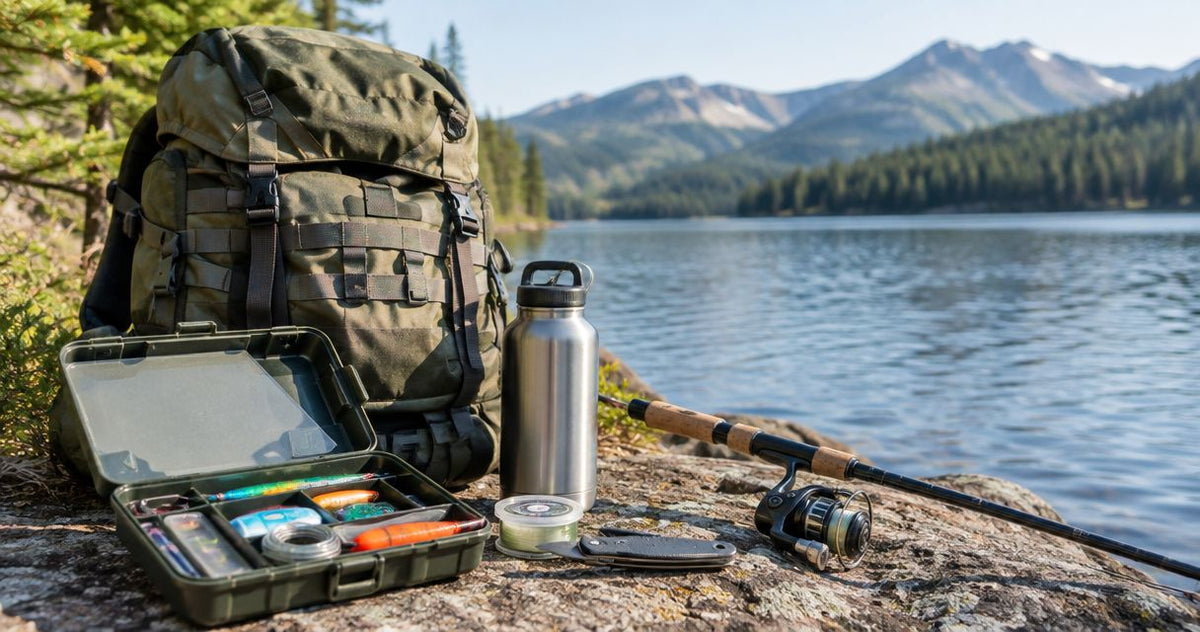
Yes, a survival fishing kit is worth carrying in a bug-out bag if you can reach legal, fishable water and your essentials are already covered. It is a compact way to add a food-gathering option, not a dependable food supply. If water, shelter, first aid or ready-to-eat food are missing, pack those before fishing gear in 2026.
- A survival fishing kit bug out bag setup is worth carrying when you have access to legal, fishable water.
- Crystal Creek Gear’s GoReel Empty Kit is best for anglers who want to organize their own compact tackle.
- Pack water, shelter, first aid and ready-to-eat food before any fishing kit.
- Skip the kit if you lack a practical place to fish or the ability to prepare a catch safely.
Why this matters
A bug-out bag has limited space. A fishing kit earns its place only if it gives you a realistic option where you expect to travel or stop. The distinction is backup food-gathering gear versus food you can count on: fishing takes time, access and suitable conditions, and a catch is never guaranteed.
If you are assembling a broader setup, start with building a bug-out fishing system. Then decide whether fishing fits your route instead of packing tackle simply because it is small. That decision matters more than finding room for another accessory.
Is a survival fishing kit worth carrying in a bug-out bag?
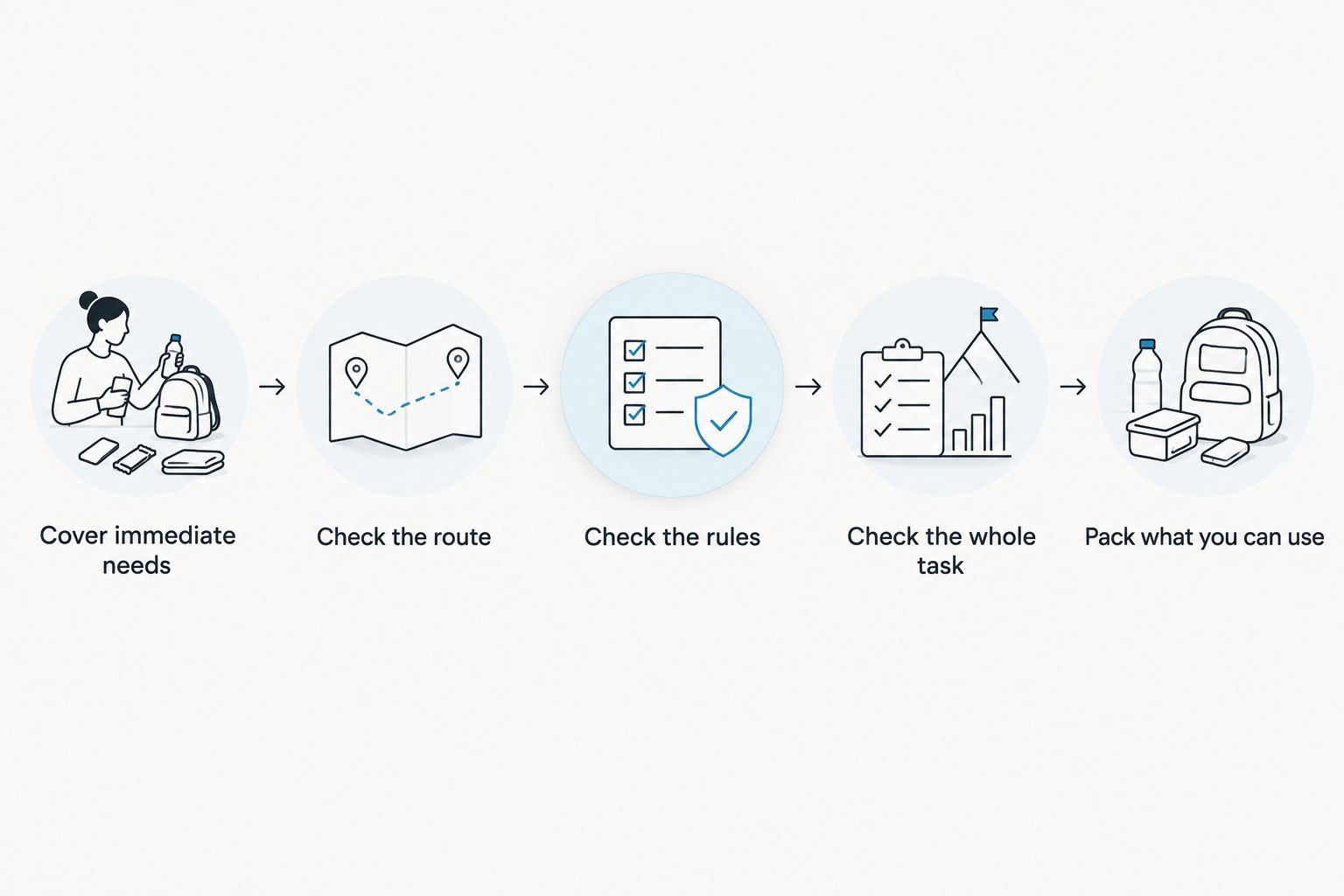
Yes, when you already have the basics and expect a genuine chance to fish. No, when you are relying on it to replace packed food. Use this 2026 decision check before adding one:
- Cover immediate needs. Pack your water plan, shelter, first aid and ready-to-eat food first. Fishing requires time and energy; those supplies serve you whether or not you reach a shoreline.
- Check the route. Identify water you can actually access, not just a blue line on a map. Consider whether you can stop there without delaying a safer move.
- Check the rules. Fishing licenses, seasons, permitted methods and access restrictions vary by place. Look up the rules for your route before treating a hand line as usable emergency gear.
- Check the whole task. Catching a fish is only part of the job. You also need a way to handle and prepare it safely, plus a plan for checking local consumption advisories.
- Pack what you can use. Choose tackle you already know how to rig and store hooks so they cannot snag other supplies. Test the setup on an ordinary fishing trip, not for the first time during an evacuation.
A useful kit is one you can reach and handle without emptying the bag at the water’s edge. That is a packing test, not a promise of a meal. In 2026, put the gear through a normal practice outing and remove pieces you do not know how to use.
What does a compact kit add to the bag?
A compact setup gives you line, a way to manage it and tackle suited to the water you expect. It does not give you fish, permission to fish or a safe way to eat a catch. Treat it as an option that has to fit alongside the rest of your plan, not as a shortcut around that plan.
The main advantage is that you can keep fishing gear together rather than digging through loose hooks and line. The main drawback is opportunity cost: even a small kit takes up room and demands attention. If you do not have a plausible fishing stop, that room has a better use among your essentials.
Which fishing setup belongs in a bug-out bag?
The choice is between organization, packability and the way you already fish. These options have different strengths; none fixes a poor route or replaces packed food.
| Option | Best for | Advantage | Limitation |
|---|---|---|---|
| Compact hand reel kit | Anglers who already fish by hand and expect accessible water | Keeps a usable fishing setup together without packing a rod | Takes practice to manage line and present tackle |
| Loose tackle pouch | Anglers who already have a reliable way to manage line | Lets you choose familiar tackle | Small pieces are easier to lose or snag inside a bag |
| Rod and reel setup | Anglers whose route and bag already accommodate a rod | Preserves a familiar fishing method | Adds an item to carry and protect |
For a 2026 survival fishing kit bug out bag, pick the method you have used successfully in normal conditions. A hand reel is compact, but it is not automatically the right choice if you only know how to fish with a rod. Likewise, a pouch of hooks is not a complete plan if you have not decided how you will manage the line.
When is an empty kit the better choice?
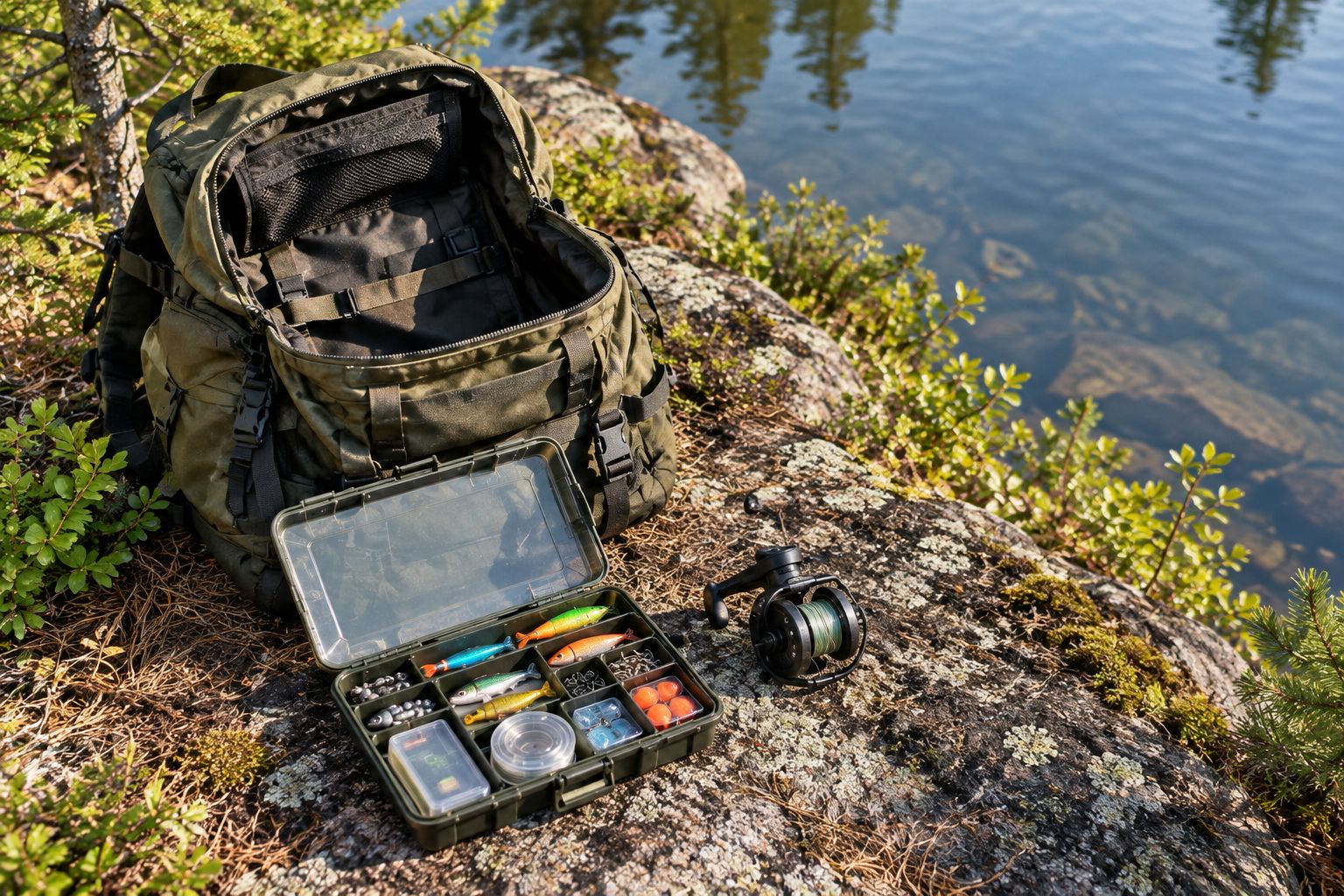
Crystal Creek Gear’s GoReel Empty Kit is best for anglers who want to organize tackle they have chosen themselves. The GoReel Empty Kit – Build Your Own Setup gives you a foundation for your own setup; its drawback is that you must select and check the fishing contents yourself. It is not a reason to assume your bag is ready simply because the gear is contained.
Start with the water you expect to encounter and the tackle you already know how to use. Lay everything out, confirm that line and hooks are present, and close the kit before placing it near food, clothing or first-aid supplies. Crystal Creek Gear sells compact hand reel fishing kits, but no kit changes the need to check local rules or carry dependable food.
Why does the answer vary by route and situation?
Water access. A route near a lake, river or pond offers a possible fishing stop. A route without reachable water does not. Check access on your planned path rather than assuming nearby water is available to you.
Time to stop. Fishing makes sense only when stopping does not conflict with getting to safety. A kit can stay packed for a later opportunity; it should not dictate where you go or how long you remain in an unsafe place.
Fishing rules. Legal access and permitted methods differ by location. A bug-out scenario does not make it sensible to skip the rules when planning your gear in 2026. Check the relevant local authority before the trip.
Your skill with the setup. Familiar gear is easier to use when conditions are uncomfortable. If you have never handled a hand line, practice line control and hook storage during a routine outing rather than counting on an untried technique.
Food preparation. A catch only becomes a useful food option if you can handle and prepare it safely. Check local fish-consumption advisories, and do not treat fishing as a substitute for safe drinking water.
Bag priorities. Every added item competes for space. If essential supplies are missing, the choice is straightforward: finish the essentials first and revisit the fishing kit afterward.
These factors turn a vague packing question into a route-specific decision. Crystal Creek Gear’s compact fishing gear fits the discussion when accessible water and familiarity with hand-reel fishing are already part of your plan. Without those conditions, leaving the kit out is the clearer choice.
Can a fishing kit replace emergency food?
No. A fishing kit cannot replace ready-to-eat food in a bug-out bag. Fish availability, access, legal restrictions and the time needed to catch and prepare one are outside your control. Pack food you can use without stopping to fish, then view the kit as an additional option for 2026.
That order also makes the kit easier to judge honestly. You are not asking it to solve an immediate need; you are asking whether it expands your options without pushing out supplies you know you will need. If it does, carry it. If it does not, leave it behind.
Is a hand reel better than loose hooks and line?
A hand reel is the better choice when you already know how to use one and want line management built into your fishing setup. Loose tackle gives you more freedom to assemble a familiar rig, but it also needs secure storage and a practical way to manage line. Neither option catches fish on its own.
Avoid treating the smallest arrangement as the best one by default. A loose collection of tackle you cannot quickly sort is less useful than an organized setup you can handle. The same applies to a hand reel you have never practiced with: compact gear still needs a capable angler.
Should beginners put a survival fishing kit in a bug-out bag?
Beginners should pack a fishing kit only after their essentials are covered and they have practiced with the setup. Try it on an ordinary trip with legal access to fishable water. Learn how you will store the hook, manage loose line and put the gear away before deciding that it belongs in your emergency bag.
For beginners, the 2026 packing test is simple: can you take out the kit, identify its contents, use it where permitted and repack it without loose hooks? If not, practice first. Crystal Creek Gear’s hand reel category offers a compact approach, but familiarity matters more than the format.
FAQ
Is a survival fishing kit worth carrying in a bug-out bag?
Yes, if you expect legal access to fishable water and have already packed water, shelter, first aid and ready-to-eat food. It is a backup food-gathering option, not a guaranteed meal.
What should go in a survival fishing kit for a bug-out bag?
Pack a way to manage line and tackle you know how to use, with hooks stored securely. Check the contents against the water on your planned route before packing the kit.
Is a hand reel better than a rod for a bug-out bag?
A hand reel is better when you want a compact setup and already know how to fish with one. A rod is the better choice if it fits your bag and is the method you can use confidently.
Can I count on catching fish during an evacuation?
No. Water access, local rules, conditions and time all affect whether you can fish, and a catch is never assured. Keep dependable food in the bag regardless.
Do I need a fishing license to use an emergency fishing kit?
Check the rules for every place you plan to fish. License requirements, seasons, access restrictions and permitted methods vary by location; carrying an emergency kit does not establish an exemption.
Should I pack fishing gear if my route has no accessible water?
No. Without a practical fishing stop, the kit does not earn space in your bag. Prioritize supplies you can use along the route you actually expect to take.
Is an empty fishing kit useful for beginners?
An empty kit helps organize a setup you choose, but it does not decide which tackle you need. Beginners should assemble it and practice with it before relying on it as packed gear.
One last thing
The best test happens before the bag is packed. Take your proposed fishing setup to water you can legally fish, use it, then put every piece away. If you cannot do that without borrowed gear or loose hooks left behind, the kit is not ready for your 2026 bug-out bag.
Carry the kit for an opportunity you can identify, not a meal you are counting on. That keeps the bag focused on essentials while leaving room for fishing when the route and conditions make it practical.


