

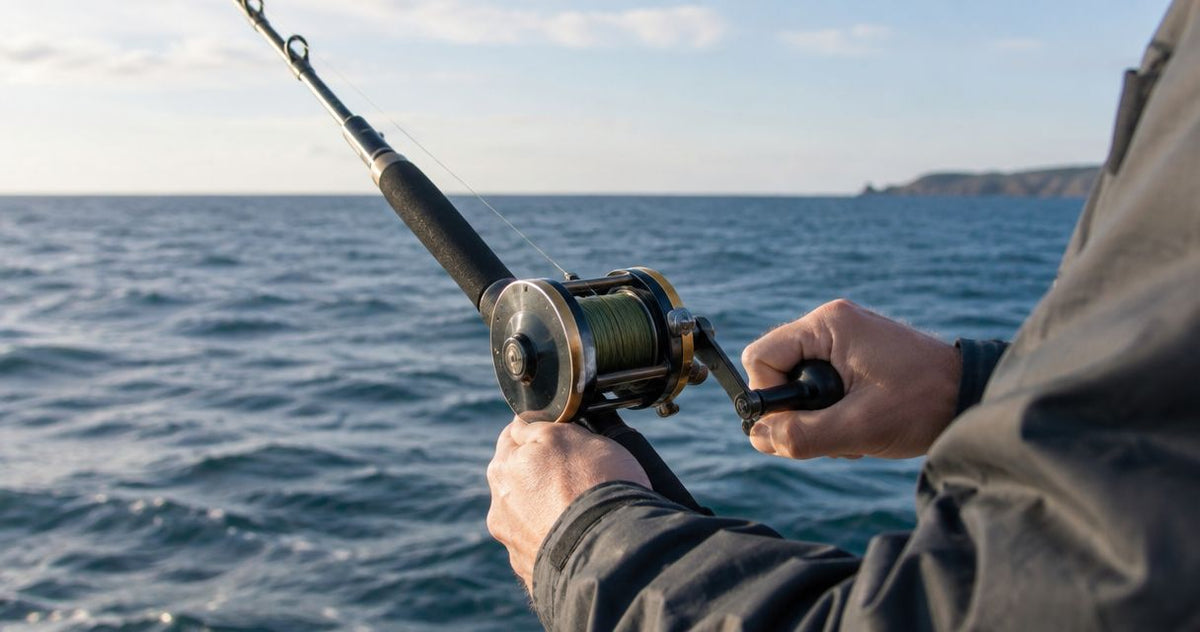
Yes, a hand reel can be used for jigging: lower a jig into the water, lift it with a short hand movement, and control its fall through the line. It works best for close-range, mostly vertical fishing where you can keep contact with the lure. The trade-off is that you manage the line directly, without a rod tip to cushion sudden pulls or help reach beyond the bank.
- Can a hand reel be used for jigging? Yes—vertical jigging keeps the lure close and the line manageable.
- Crystal Creek Gear sells compact hand reel fishing kits for anglers who want less gear at the water.
- Handline jigging requires controlled slack, safe line handling, and a clear place to retrieve loose line.
- Choose a rod when you need reach, longer casts, or more cushioning during a fish’s sudden run.
Why this matters
Jigging doesn't require a rod to move the lure. Your hand can provide the lift, pause, and controlled drop. What changes is how you handle slack, feel contact, and bring a fish back to you.
Crystal Creek Gear hand reel fishing kits are best for anglers who prioritize compact gear for lakes, rivers, and ponds. The GoReel Hand Reel & Line Lock is one starting point for a rodless setup; jigging still requires tackle suited to the water and careful line handling.
For your 2026 fishing plans, choose the method around the spot rather than the size of your bag. A compact setup earns its place when you can reach useful water without stretching, climbing, or casting past obstacles.
Can a hand reel be used for jigging?
Yes—use your hand to lift the jig and feed line to let it fall. The hand reel stores the line; you supply the lure movement. Keeping the jig beneath you, or close enough to maintain contact, makes that process easier to manage.
Start somewhere with secure footing and open water immediately beside you. A clear dock edge or accessible shoreline drop-off gives you a simpler introduction than a distant weed bed. Stay back from unsafe edges, and never trade stable footing for a better lure position.
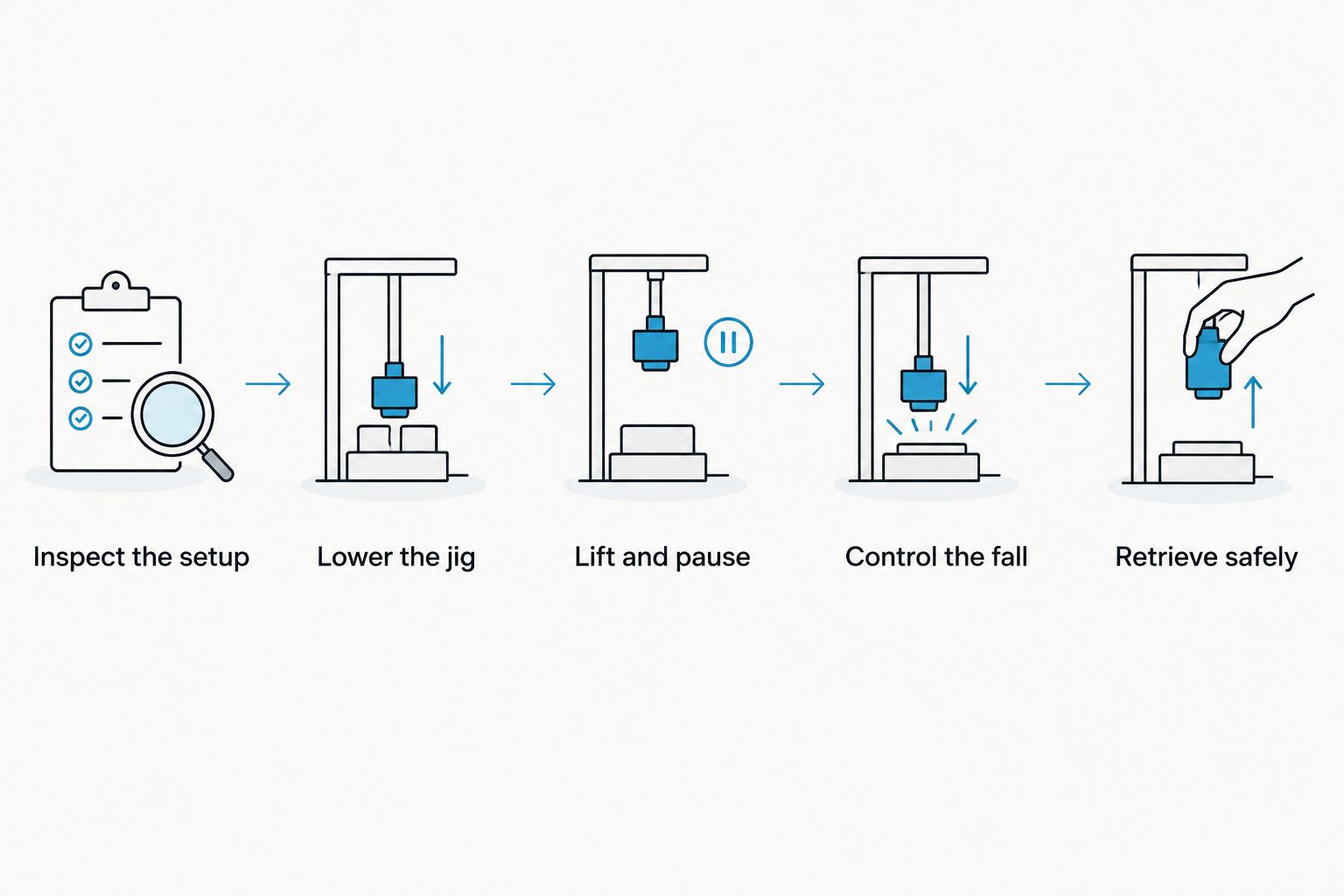
How to jig with a hand reel
- Inspect the setup. Check the line for damage, secure the jig with a suitable knot, and cover spare hooks. Make sure your retrieval area is clear before putting the lure in the water.
- Lower the jig. Feed line under control rather than dumping loose coils. Stop at the depth you intend to fish; if you're checking the bottom, make contact gently instead of repeatedly driving the hook into cover.
- Lift and pause. Make a short, deliberate lift with your hand, then stop. Watch how the lure responds in visible water before working it deeper.
- Control the fall. Let the jig descend while keeping enough contact to notice a change. A loose pile of line hides the lure's movement and delays your response.
- Retrieve safely. Take up loose line before applying steady pressure when a fish bites. Keep retrieved line clear of your feet and gear, and use a landing net where appropriate.
These steps are a starting sequence, not a fixed rhythm. Repeat the lift and fall, adjust the depth, and change the movement when you lose contact with the jig. Don't turn every pause into a hard jerk.
Vertical jigging: best for water directly beside you
Vertical jigging is the simplest place to start with a hand reel because you don't need a long cast. Lower the lure beside a dock, shoreline drop-off, or other legally accessible spot, then work it within reach.
The advantage is a shorter, more direct connection to the jig. You can change depth by feeding or retrieving line instead of repeatedly casting. The limitation is coverage: you fish the water you can safely reach, not every piece of structure you can see.
Choose vertical handline jigging when the water beside you is worth fishing. If the fish-holding area sits beyond your safe reach, changing equipment or moving to another access point makes more sense than leaning farther out.
Keep boat movement in mind, too. A drifting boat changes the line angle even when your hand stays still. Wear a suitable personal flotation device on the water, and keep loose line away from paddles, propellers, and other anglers.
Cast-and-retrieve jigging: best for nearby open water
You can also cast a jig with a hand reel and retrieve it with controlled lifts and pauses. That approach adds moving line, changing angles, and more slack to manage. Learn the vertical sequence before adding a cast.
As the lure travels toward you, take up line between movements. Otherwise, your next lift first removes slack instead of moving the jig. Watch the line as well as feeling it; an unexpected stop or sideways movement deserves attention.
The benefit is access to nearby water beyond a straight drop. The drawback is that a rod provides reach and helps manage lure movement across a longer distance. Choose a rod when covering water matters more than keeping the setup rodless.
| Approach | Best for | Main advantage | Main limitation |
|---|---|---|---|
| Vertical handline jigging | Accessible water directly beside you | Direct control without a rod | Limited reach and manual line handling |
| Cast-and-retrieve handline jigging | Nearby open water | Works beyond a straight drop | More slack and loose line to manage |
| Rod-and-reel jigging | Covering water and reaching beyond obstacles | Rod reach and cushioning | Adds a rod to carry and set up |
This 2026 comparison is about the fishing method, not a promise that one setup catches more fish. Match your gear to where the lure needs to go and how you'll retrieve it.
Why hand reel jigging control varies
The same hand movement doesn't produce the same lure action in every spot. Watch the line and adjust to the water instead of repeating a motion you can't feel. These factors explain the difference:
- Line angle: A mostly vertical line gives you a more direct connection. A sideways pull changes the direction of your lift.
- Current and wind: Moving water and wind create bow in the line, making contact harder to maintain.
- Jig weight: A heavier jig generally sinks more readily, but weight also changes the presentation and how it contacts cover.
- Depth: More line in the water gives current more line to push against and leaves more line to retrieve.
- Bottom and cover: Rocks, wood, and vegetation increase snag risk. Repeatedly dragging a hook through them isn't the same as a controlled drop.
- Slack: Excess slack separates your hand movement from the jig and makes subtle changes harder to notice.
Change the simplest variable first. If you lose contact, shorten the presentation, reduce the sideways angle, or move to calmer water before assuming you need different tackle.
What jig and line should you use?
Choose a jig that lets you maintain contact at your fishing depth without turning every drop into a snag. Match the hook and lure to the fish you're targeting, then check how the rig behaves beside you before working it farther out.
The catalog includes Double Cross jig heads in 1/8 oz. That weight is approximately 3.54 g, but it is an example—not a universal handline jigging recommendation. Current, depth, lure shape, and line all affect the presentation.
A line labeled 6 lb test also isn't a promise that you can lift a 6 lb fish out of the water. Knots, abrasion, and sudden loading affect the connection. Use a suitable landing method rather than treating the line's label as a lifting rating.
For a 2026 tackle check, inspect what you actually have rather than relying on a kit name. Confirm the jig weight, hook condition, line condition, and knot before fishing. A lake or pond label alone doesn't tell you whether the included tackle suits today's jigging spot.
Keep the selection small while you learn. A manageable lure and an uncluttered retrieval area teach you more about line control than a bag full of tackle changes.
How do you feel a bite without a rod tip?
You feel a bite through changes in line tension and watch for changes in line movement. A tap, sudden heaviness, unexpected slack, or a sideways shift can signal contact, but bottom structure and current also change what you feel.
Establish a baseline first. Pay attention to the jig's normal descent and the tension during an ordinary lift. An interruption is easier to recognize when you know what the undisturbed presentation feels like.
Keep a light, controlled connection rather than clamping the line tightly. Never wrap fishing line around your fingers or hand. A hooked fish or snag can load the line suddenly and injure you.
When you suspect a bite, take up slack and apply controlled pressure. Avoid a violent pull that sends an unhooked jig toward you. Keep your face and other people out of the lure's potential path.
Is a hand reel better than a rod for jigging?
A hand reel is better for reducing what you carry; a rod is better for reach and cushioning. Neither advantage replaces good lure placement. Choose the setup that lets you fish the spot safely and keep contact with the jig.
Rodless fishing removes the rod from your carry load, but it puts more line-management responsibility on you. A rod bends under load and gives you distance between your hand and the working line. That difference matters around obstacles and during sudden pulls.
Your 2026 choice should start with access. If you can lower a lure directly into useful water, a hand reel is a practical option. If you need to reach over vegetation or work distant structure, bring a rod.
Crystal Creek Gear's compact fishing gear fits the less-to-carry side of that decision. Portability is the reason to consider it—not an assumed advantage in every jigging situation.
Can beginners learn hand reel jigging safely?
Beginners can learn hand reel jigging by starting with a controlled vertical drop in an uncluttered spot. Learn to lower, lift, pause, and retrieve before adding distance, current, or difficult cover.
Keep your first presentation easy to observe. Clear water beside a safe access point lets you see whether your movement actually lifts the jig or merely takes up slack. Once that connection makes sense, work the lure where you can't see it.
Before a 2026 outing, check the current fishing rules for the specific water, including permitted methods, tackle restrictions, licenses, and species limits. Handline rules aren't identical everywhere. Small gear still comes with the same responsibility to fish legally.
Stop if the line becomes tangled around you or your equipment. Secure the hook before sorting the problem, and never pull against a snag with line wrapped around your body.
FAQ
Can a hand reel be used for jigging without a fishing rod?
Yes, a hand reel can be used for jigging without a fishing rod. Your hand supplies the lift and controls the drop, while the reel stores the line.
What's the easiest way to start jigging with a hand reel?
A controlled vertical drop beside a safe, clear access point is the easiest starting method. Practice lifting, pausing, and retrieving before adding a cast or fishing in current.
Is a 1/8 oz jig right for every hand reel fishing spot?
A 1/8 oz jig is not right for every hand reel fishing spot. Depth, current, lure shape, and line affect whether you can maintain contact with it.
Can I jig with a hand reel from the bank?
Yes, you can jig with a hand reel from the bank when useful water is safely within reach. A distant target or vegetation between you and the water favors a rod.
How do I detect a bite when jigging by hand?
Watch for changes in line movement and feel for changes in tension. Unexpected slack, heaviness, or a sideways shift warrants attention, though current and bottom contact also produce changes.
Should I wrap the line around my hand for a better grip?
No, never wrap fishing line around your hand or fingers. A fish or snag can load the line suddenly and cause injury.
Does Crystal Creek Gear sell compact hand reel fishing gear?
Yes, Crystal Creek Gear sells GoReel hand reel fishing kits, tackle, apparel, and accessories. Its stated focus is compact, portable gear for anglers fishing lakes, rivers, and ponds.
One last thing
Your next lift should move the jig, not just straighten loose line. Before changing lures, lower your jig where you can see it and watch what your hand movement actually does. If the line tightens but the lure barely moves, fix the slack first.
That check keeps rodless fishing simple: less guessing, fewer unnecessary tackle changes, and more attention on the water. Get the connection right before chasing a different setup.


