

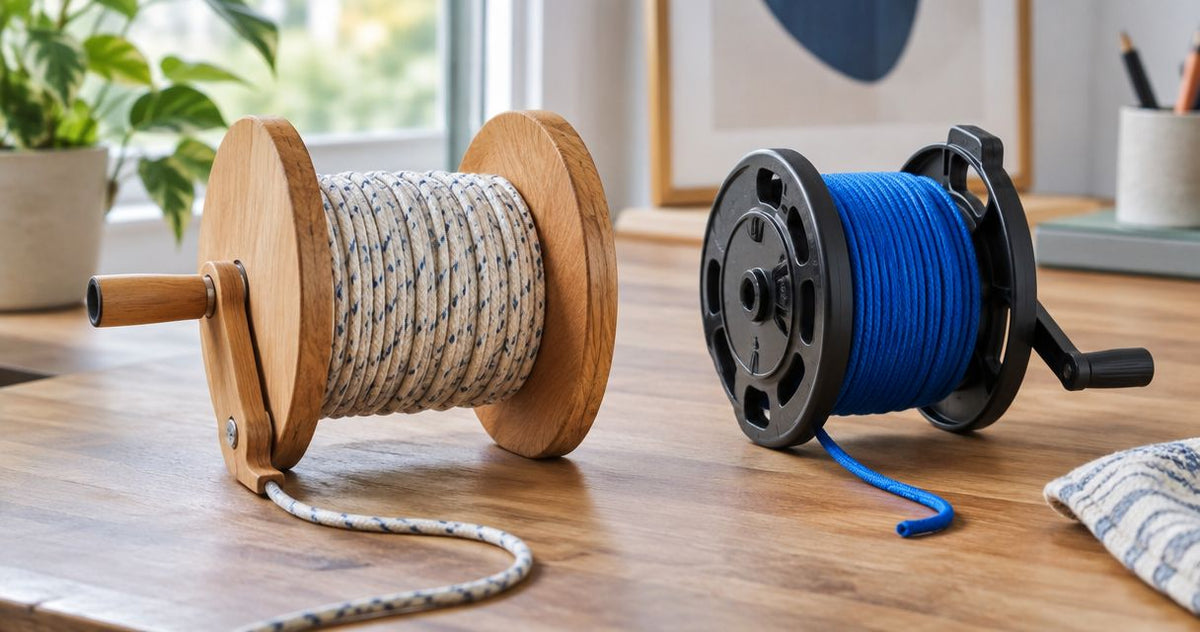
A wooden hand reel is not automatically better than a plastic one: wood suits anglers who prefer its feel and traditional construction, while plastic suits anglers who want less moisture-related upkeep. In 2026, choose by grip, smooth line-contact surfaces, and how easily you can carry the reel—not by material alone. Neither material guarantees longer casts, stronger tackle, or more fish.
- Wooden hand reel vs plastic: choose fit and smooth line release before material.
- Wood suits anglers who enjoy traditional gear and accept finish maintenance.
- Plastic suits anglers who want less moisture-related upkeep, but construction quality still matters.
- Crystal Creek Gear serves anglers seeking compact hand reel fishing kits for lakes, rivers, and ponds.
Is a wooden hand reel better than a plastic one?
Neither material wins every fishing trip. A well-finished wooden reel is a better choice than a plastic reel with rough edges; a comfortable plastic reel is a better choice than a wooden reel that catches your line or strains your grip.
Start with the differences below, then inspect the actual reel. The wooden hand fishing reels guide gives you another place to explore the wooden option.
| What matters | Wooden hand reel | Plastic hand reel |
|---|---|---|
| Best for | Anglers who prefer wood and accept finish care | Anglers who prefer less moisture-related upkeep |
| Main advantage | A traditional material with a finish you can inspect and maintain | Does not have wood grain that swells and shrinks with moisture |
| Main drawback | Exposed wood needs attention to moisture and surface condition | Cracks, rough molding, or damaged edges still need attention |
| Grip | Depends on shape, surface finish, and hand fit | Depends on shape, surface texture, and hand fit |
| Line release | Depends on smooth edges and how the line is wound | Depends on smooth edges and how the line is wound |
| Durability | Depends on wood, construction, finish, and treatment | Depends on plastic formulation, construction, and treatment |
| Portability | Check the complete setup, not just the reel | Check the complete setup, not just the reel |
Material tells you something about care. It does not tell you whether the reel fits your hand, whether a hook stays safely contained, or whether the fishing line leaves the spool cleanly.
Why this matters
A hand reel puts the line-handling job close to your hands. An uncomfortable grip or rough edge matters more than a material label when you are winding line back after a cast.
For your 2026 fishing kit, the useful question is simple: will you actually carry this setup and enjoy using it? A reel that looks good at home but feels awkward beside the pond misses the point of compact fishing.
Keep the choice grounded in the whole outing. You need a manageable reel, suitable line and tackle, somewhere safe to put hooks, and a way to keep loose line from becoming a mess.
Wooden hand reels: best for traditional feel and hands-on care
Choose wood because you like using it, not because wood guarantees better fishing. Its appearance and feel are legitimate reasons to prefer it. They are personal preferences, not evidence of better casting or fish-catching performance.
Wood responds to moisture. A suitable finish helps protect the surface, but you still need to inspect exposed areas, worn edges, and places where water collects. Follow the maker's care instructions rather than treating every wooden reel the same way.
Look closely at the surfaces the line touches. A rough patch, splinter, or damaged finish can interfere with line movement. Check these areas before you fish, especially after the reel has taken a knock.
Wood also gives you a surface that can sometimes be refinished, depending on its construction. That is not permission to reshape a reel or remove material without guidance. Repairs need to preserve its working edges and structural strength.
- Best for: anglers who enjoy traditional wooden gear and are willing to maintain its finish.
- Advantage: you can assess the grain, finish, and visible surface condition directly.
- Trade-off: moisture exposure and finish wear deserve regular attention.
If you dislike drying and inspecting gear after an outing, that maintenance belongs in your decision. Do not buy a wooden reel expecting the material to eliminate care.
Plastic hand reels: best for less moisture-related upkeep
Choose plastic when avoiding wood-specific moisture care matters to you. Plastic does not have the grain-based swelling and shrinking behavior of wood. That removes one maintenance concern, not every maintenance concern.
A plastic reel still needs inspection. Look for cracks, sharp molding seams, distorted edges, and rough spots where line passes. A damaged line-contact surface is a problem regardless of what the reel is made from.
Plastic is a broad material category. Different formulations and different shapes behave differently, so the word alone does not establish impact resistance, flexibility, or outdoor lifespan. Judge the finished reel rather than assuming all plastic reels are interchangeable.
For a 2026 purchase, do not assume plastic automatically means lighter, either. Compare published weights when available, and include the line, tackle, and container you intend to carry. A bare reel is only part of your fishing kit.
- Best for: anglers who prefer less moisture-related upkeep and straightforward surface inspection.
- Advantage: no wood finish or exposed grain to maintain.
- Trade-off: damaged plastic still needs attention; repair suitability depends on the construction.
You still need to clean away grit and let wet gear dry before storage. Low upkeep is not the same as no upkeep.
Why hand reel performance varies
The wooden hand reel vs plastic decision becomes clearer when you separate material from design. These factors explain why reels made from the same material can feel very different in use:
- Hand fit: a shape that fits your palm is easier to hold comfortably than one that forces an awkward grip.
- Line-contact surfaces: smooth working edges help line move without catching on rough spots.
- Line winding: crossed wraps and loose loops create handling problems that a different material does not fix.
- Surface condition: splinters, cracks, damaged finishes, and sharp seams need inspection before use.
- Packed setup: reel shape, loose tackle, and hook containment determine how practical the complete kit is to carry.
Start with fit and condition. Then consider material care. That order keeps you from choosing a beautiful wooden reel or a convenient-looking plastic reel that does not work comfortably in your hands.
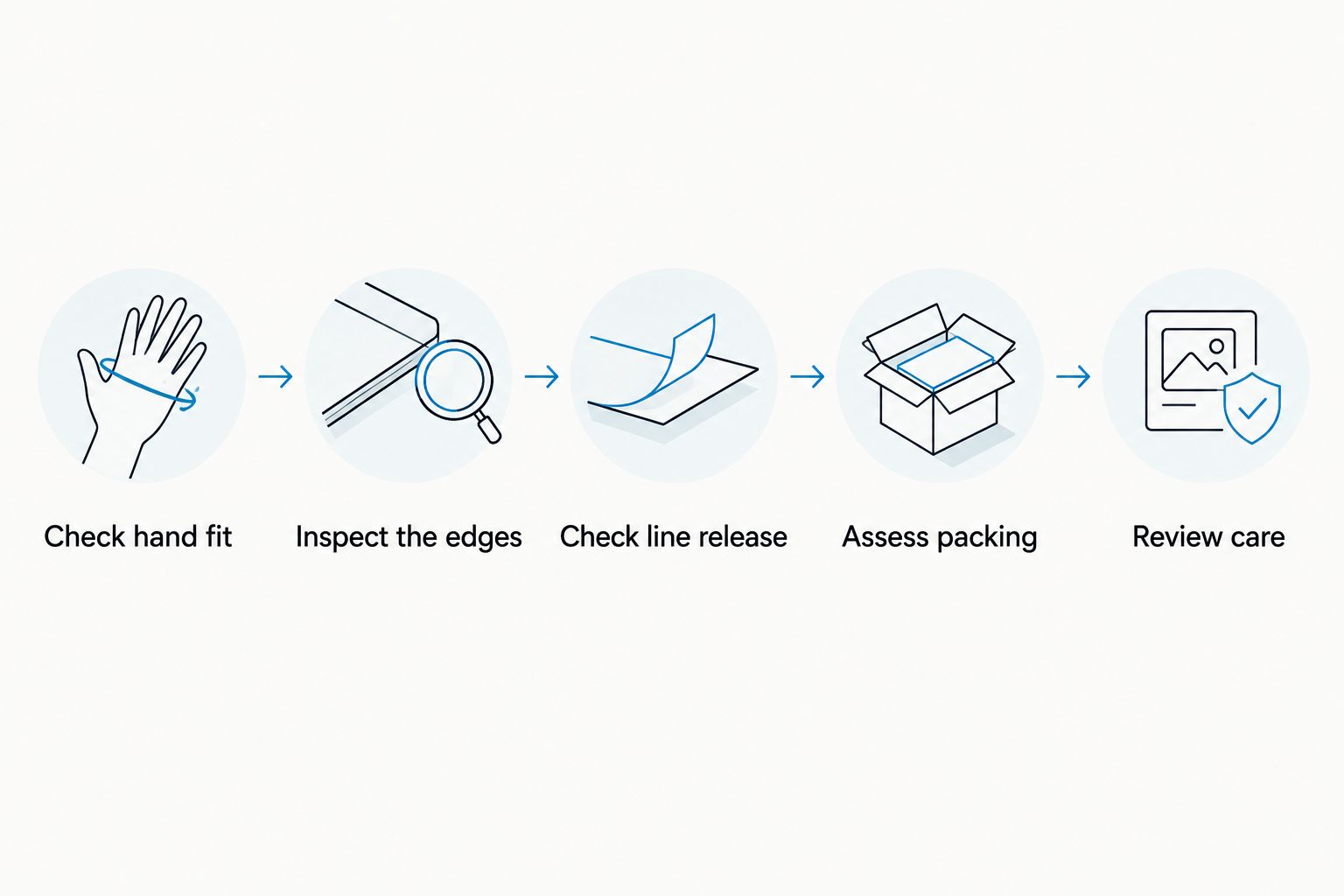
How do you check a hand reel before choosing it?
Use these checks when you can handle a reel in person. For an online purchase, look for clear photos and published information addressing the same points; do not guess from a material label.
- Check hand fit. Hold the reel as you would while winding line. Notice whether you can maintain a comfortable grip without pressing an edge into your palm.
- Inspect the edges. Examine every surface the line crosses. Look for roughness, cracks, splinters, or sharp seams rather than judging only the outside appearance.
- Check line release. With hooks removed and the area clear, gently unwind some line. It should not repeatedly catch on the same damaged spot.
- Assess packing. Consider where the reel, line end, and hooks will sit inside your bag. A compact reel does not make exposed hooks safe.
- Review care. Read the maker's cleaning and storage guidance. Choose a routine you will actually follow after fishing.
These checks compare the working reel, not a promise about its material. If you cannot establish that its edges and grip suit you, keep looking.
Which material suits the way you fish?
For short walks to a familiar pond, either material is a sensible starting point. Favor the reel that fits your hand and keeps the setup manageable; the walk does not make wood or plastic inherently better.
For hiking and travel, compare the packed kit rather than the empty reel. Check whether the shape fits your bag, whether loose line stays controlled, and whether hooks have a secure home. Do not assume a wooden reel is heavy or a plastic reel is pocket-sized without checking the actual model.
For anglers who enjoy maintaining traditional equipment, wood has a clear place. Choose it with the understanding that finish condition and drying are part of ownership. That is a preference worth respecting, not a drawback you need to hide.
For anglers who want to avoid wood-specific care, plastic is the simpler material choice. You still need to inspect it and look after the line. Choose the maintenance routine you will follow, not the one you wish you followed.
Where does a compact GoReel setup fit?
Crystal Creek Gear is best for anglers seeking compact hand reel fishing kits for lakes, rivers, and ponds. That makes the brand relevant when your main goal is less gear to carry, rather than a particular wooden finish.
The GoReel Hand Reel & Line Lock is described as the core of the brand's pocket-sized fishing setup. Its relevance here is the hand reel format: a compact starting point for rodless fishing, not evidence that one material outperforms another.
The trade-off is equally clear. A rodless hand reel does not provide a rod's reach, and you handle the line directly. Crystal Creek Gear's compact fishing kits suit anglers who want that simpler format; they do not make the wood-versus-plastic decision a substitute for checking fit and line handling.
Does a wooden hand reel cast farther than plastic?
A wooden hand reel does not cast farther simply because it is wooden. Casting depends on the reel's working shape, line release, rig, and your technique—not just its material.
Compare reels with suitable, comparable setups before drawing a conclusion. A snagging edge or poorly wound line can spoil the comparison before material becomes relevant.
Is a plastic hand reel always lighter?
A plastic hand reel is not always lighter than a wooden one. Size, construction, and the amount of material all affect weight.
When choosing gear in 2026, use the actual model's published weight if available. For carrying comfort, include the tackle and storage you plan to bring rather than comparing empty reels alone.
Can beginners learn with either material?
Beginners can learn with either wood or plastic. Smooth line-contact surfaces, comfortable grip, and manageable tackle are more useful starting criteria than material preference.
Practice in a clear area and keep hooks away from people. Never wrap fishing line around your fingers or hand; tensioned line can injure you.
How should you care for either hand reel?
Start with the maker's instructions. Remove dirt and grit, inspect the line-contact edges, and let wet gear dry before you pack it away. Do not store wet tackle in a closed container and assume the reel material solves the problem.
For wood, pay attention to exposed grain and changes in the finish. For plastic, pay attention to cracks, sharp seams, or deformation. With either material, stop using a damaged reel until you have established whether it is safe to repair or needs replacement.
Check the line separately. A smooth reel does not make worn or damaged fishing line sound again. Replace compromised line and keep the working area free of loose loops that can snag.
FAQ
What's better in 2026, a wooden hand reel or a plastic one?
Neither material is better in every situation. Choose wood for its feel and traditional construction, or plastic for less moisture-related upkeep; check grip and line-contact surfaces either way.
Does a wooden hand reel help me catch more fish?
Wood alone does not make a hand reel catch more fish. Presentation, suitable tackle, location, and line handling matter more than the reel's material label.
Is a plastic hand reel maintenance-free?
A plastic hand reel is not maintenance-free. Inspect it for cracks and rough edges, clean away grit, and dry wet gear before storage.
Can I leave a wooden hand reel wet?
Do not put a wet wooden hand reel away without following its maker's drying instructions. Moisture affects wood, and worn or exposed areas deserve attention.
What's the best hand reel material for a beginner?
Either wood or plastic works for a beginner when the reel fits comfortably and has smooth line-contact surfaces. Choose a manageable setup and practice safe line handling.
Is wood or plastic better for a hiking fishing kit?
The better hiking choice is the complete setup that fits your bag and keeps line and hooks controlled. Compare actual dimensions and published weights rather than assuming either material is more portable.
Should I replace my plastic hand reel with a wooden one in 2026?
Replace a usable plastic reel only if the wooden alternative better fits your preferences or handling needs. Material alone is not a reason to discard a reel that works comfortably and safely.
One last thing
Before choosing a new reel in 2026, inspect the one you already own. If the problem is crossed line, a rough edge, or awkward tackle storage, identify that problem first rather than expecting a change of material to fix everything.
Buy for the fishing you actually do. The right hand reel is one you carry, hold comfortably, and maintain—not the one that wins an argument about wood and plastic.


