

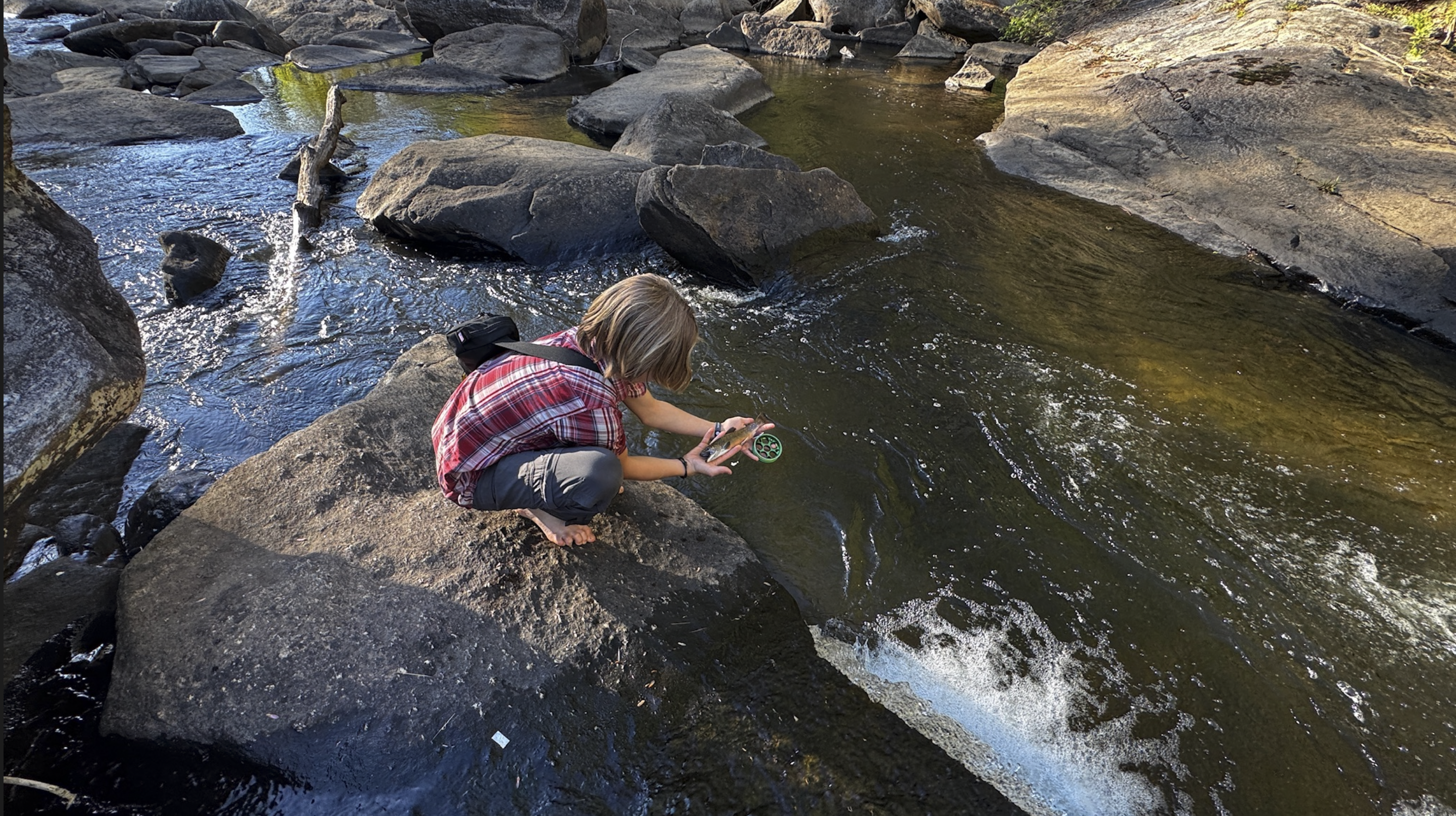
I watched a kid throw a perfectly good fishing rod into the bushes last summer.
Not in a tantrum. Just done. Tired of fighting with a bird's nest of tangled line that was more frustrating than fun. His dad spent twenty minutes trying to untangle it while the fish were actively biting ten feet away. The kid never picked the rod back up that day.
That moment stuck with me. Because I've been that dad. And I've watched my own kids lose interest in fishing before we even got started—defeated by gear that promised to be "perfect for kids" but really wasn't.
Here's what I've learned: the best fishing pole for kids isn't the one with cartoon characters on it or the cheapest combo at the big box store. It's the one that gets out of the way and lets them actually fish.
What Actually Makes Fishing Gear Kid-Friendly?
Speed matters. Kids have about a fifteen-minute window of peak enthusiasm. If you spend ten of those minutes setting up gear, untangling line, or explaining how a spinning reel works, you've already lost half the battle.
Direct feedback matters. Kids learn by doing and feeling. The more direct the connection between their actions and results, the faster they figure it out.
Independence matters. Kids want to DO things, not watch you do things for them. Gear that requires constant adult intervention kills their confidence and your patience.
Simplicity matters most. If a seven-year-old can't figure out the basics in under two minutes, it's too complex.
The Problem with Traditional Kids' Rods
Walk into any sporting goods store and you'll find an entire wall of "kids' fishing rods." Bright colors, fun designs, combo packs with everything included. They look perfect.
Then you get to the water.
The spincast reel tangles. That closed-face reel that's supposed to prevent tangles? It's amazing at creating internal bird's nests that require tools and patience to fix.
The drag system confuses. Explaining drag adjustment to a kid who just wants to catch a fish is like teaching calculus before addition.
They break constantly. Lightweight graphite rods in the hands of enthusiastic kids equal a lot of broken rod tips.
Setup takes forever. Threading line through six or seven guides, tying on tackle, adjusting drag, explaining the bail mechanism—you're fifteen minutes in before the first cast.
Why Hand Reels Actually Work for Kids

My kids have been my toughest product testers. Not because they're critical—because they're honest. If something frustrates them, they walk away. If it works, they won't put it down.
Hand reels passed their test on day one.
Setup is literally fifteen seconds. Unclip the hook, unwrap some line, tie on bait. Done. A six-year-old can do it solo.
Nothing to tangle. No internal mechanisms to jam. No bail to forget to close. The line goes from the reel to the water. That's the whole system.
Direct connection to the fish. When a fish bites, kids feel it IMMEDIATELY in their hand. That first strike? They get it. Instantly.
They can actually cast it. The underhand swing cast is natural and intuitive. Kids figure it out in about three tries.
Basically indestructible. GoReels have survived being dropped, stepped on, left outside, and thrown in backpacks with zero care.
But here's what really sold me: my daughter started catching fish before I did.
She's eight. I was still tying on my second setup when she hooked and landed her first bluegill. Not because she's some fishing prodigy—because the gear didn't slow her down.
Teaching Kids to Fish with a GoReel
Start with the cast first. Before you even put bait on, let them practice the underhand swing. Five practice casts and most kids have the basics down.
Use visible bobbers early on. Kids need to see something happening. A bright bobber gives them something to watch and builds anticipation.
Celebrate the first bite, not just the first catch. That initial strike—even if they miss the hookset—is EXCITING. Make a big deal out of it.
Let them figure out the retrieve. Don't micromanage how they pull in the line. Let them experiment.
Keep sessions short early on. Forty-five minutes is a win. Leave while they're still having fun.
Bring snacks. This isn't fishing advice, this is parenting advice. Snacks solve everything.
The Real Question
Here's the thing about teaching kids to fish: you're not just teaching a skill. You're shaping how they think about the outdoors, about trying new things, about sticking with something challenging.
If their early fishing experiences are frustrating and complicated, that's what they'll remember. If those experiences are accessible and successful, they'll keep coming back.
The best fishing pole for kids is the one that makes fishing feel possible. Not someday. Not when they're older. Right now.
Hand reels do that.


